Dog and Cat
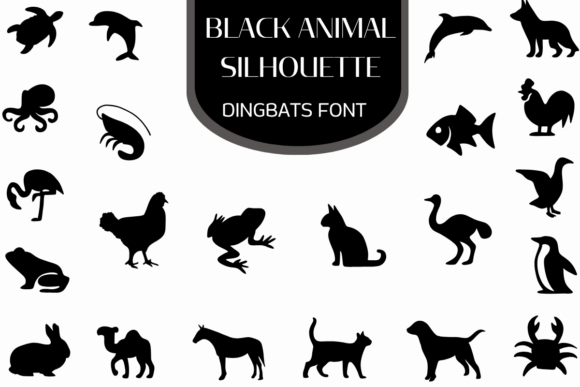
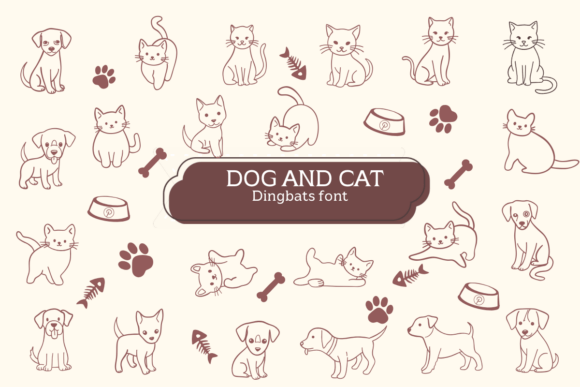
For designers, marketers, small business owners, and pet-loving creators, Dog and Cat isn’t just another font—it’s a workflow accelerator. This hand-drawn typeface delivers dozens of pet-themed dingbats—playful pups, wide-eyed kittens, paw prints, chewed bones, curled-up fish, and more—all designed as scalable, consistent, and instantly recognizable icons. Unlike generic clipart or fragmented SVG libraries, Dog and Cat is built as a true typeface: install it once, access every icon via keyboard shortcuts or glyph panels, and use it across Adobe Creative Cloud, Figma, Canva, Affinity apps, and even web projects with @font-face embedding. That means no hunting for assets, no mismatched line weights, and no version control headaches.
Where Dog and Cat Fits Into Your Process
Dog and Cat integrates most effectively at the *execution* stage—but its value begins earlier in planning. When scoping a pet-related project—whether launching a new veterinary clinic website, designing adoption-day posters for an animal shelter, or building a social media content calendar for a pet boutique—you’ll often reach for visual shorthand that communicates warmth, trust, and familiarity. Instead of sourcing individual icons from multiple sites (and risking inconsistent style, licensing gaps, or pixelated exports), you start with Dog and Cat as part of your core asset library. It becomes a design constraint that actually improves speed and cohesion: if your brand voice is friendly and approachable, this typeface supports it without requiring custom illustration.
During production, Dog and Cat replaces time-consuming manual icon placement. Need to mark “vaccination due” on a pet health tracker? Type “V” + the bone glyph. Want to highlight “kitten-friendly” on product packaging? Drop in the kitten icon beside the label—not as a separate image layer, but as live text you can scale, recolor, and align with paragraph baseline. That consistency matters when producing multi-format assets: the same paw print used in a printed brochure appears identically in your Instagram Story template and email newsletter footer.
Real-World Use Cases Across Roles
For veterinary clinics, Dog and Cat streamlines client-facing materials. Use paw prints as bullet points in vaccination checklists, pair the bone icon with “Dental Care” headers in exam room handouts, or build decorative borders around “New Puppy Package” flyers. Because all glyphs share the same x-height and spacing rhythm, they align cleanly with body text—even when mixed with other fonts like Nunito or Quicksand.
Pet boutiques and subscription box brands use Dog and Cat to reinforce brand personality without over-designing. A simple “Treat of the Month” label gains instant recognition when the fish icon sits snugly beside the headline. On product tags, the pup or kitten glyph acts as a category marker—no need for color-coded labels or custom icons per SKU. And because the typeface includes variants (e.g., sitting vs. running pup), you can signal tone: a relaxed cat icon for calming products, an energetic pup for high-energy toys.
Animal shelters and rescues benefit from both emotional resonance and operational efficiency. Infographics about spay/neuter timelines, foster application steps, or adoption fees become more digestible when paired with relevant glyphs—each step marked not with numbers alone, but with a paw, bone, or heart-shaped collar. Volunteers preparing welcome kits can generate printable stickers using the typeface in Canva, then export as PNGs with transparent backgrounds—no designer needed.
Integration With Your Existing Tools and Workflow
Dog and Cat works where you already work. In Figma, install it system-wide and access glyphs via the “Insert > Icon” menu or by typing Unicode values (listed in the included PDF guide). In Adobe Illustrator or InDesign, use the Glyphs panel to browse and insert—then adjust size, fill, and stroke independently of surrounding text. For web use, generate lightweight WOFF2 files and serve them via CSS @font-face; assign specific Unicode ranges to icon-only classes so screen readers skip decorative elements.
It pairs best with rounded, humanist sans-serifs—think Inter, Poppins, or Montserrat Rounded—not only visually but functionally. Their open counters and generous spacing accommodate Dog and Cat’s playful weight without crowding. Avoid pairing it with ultra-thin or highly geometric fonts (e.g., Helvetica Neue Light or Futura), which create tonal dissonance and make the dingbats feel out of place.
Preparation and Long-Term Usability
Before deploying Dog and Cat across team projects, take two practical steps: first, document your usage guidelines. Specify which glyphs represent which concepts (e.g., “bone = nutrition or dental”, “paw = general pet care”), and note any exclusions (e.g., avoid the “broken bone” glyph for medical contexts). Second, test rendering across devices—especially mobile email clients and older versions of Word or PowerPoint—where fallback fonts may activate. Most issues arise not from the typeface itself, but from inconsistent encoding or missing OpenType features.
For long-term use, treat Dog and Cat like any critical digital asset: store the license file with your brand kit, back up the font files in your shared drive (not just locally), and audit usage annually. If your business expands into new markets—say, launching bilingual pet care guides—check whether the glyph set supports extended Latin characters or diacritics. While Dog and Cat currently focuses on English-language contexts, its clean vector foundation makes future expansions technically feasible.
Practical Tips for Smoother Implementation
- Start small: Replace one recurring icon in your current templates—like the paw in your email signature—before rolling it out site-wide.
- Use Unicode mapping: Assign common glyphs to easy-to-remember keys (e.g., Alt+1 for paw, Alt+2 for bone) in your OS keyboard settings—saves seconds per insertion, adds up fast.
- Export smartly: When generating social graphics, export glyphs as SVG instead of raster images. They stay crisp at any size and allow CSS recoloring later.
- Check contrast: The hand-drawn style includes subtle texture—verify that glyphs meet WCAG 2.1 contrast ratios against background colors, especially for printed materials.
- Group logically: In Figma or Illustrator, organize glyph layers into named groups (“Care Icons”, “Treats”, “Milestones”) so teammates can find what they need without scrolling through 80+ options.
Ultimately, Dog and Cat succeeds because it reduces friction—not just in design, but in communication. Pet parents respond to authenticity, not polish. A slightly uneven line in a hand-drawn kitten conveys care and craft far better than a sterile, AI-generated vector ever could. When your shelter’s adoption form uses the same gentle paw icon that appears on your Instagram bio, that repetition builds recognition. When your vet’s post-op instructions include the bone next to “chew toy recommendations”, patients understand faster. That’s not decoration. It’s functional empathy—built into the typeface.
So whether you’re sketching wireframes, prepping a Canva template, or finalizing a print run for National Pet Day, let Dog and Cat do the expressive heavy lifting—so you can focus on what matters most: helping people connect with the animals they love.